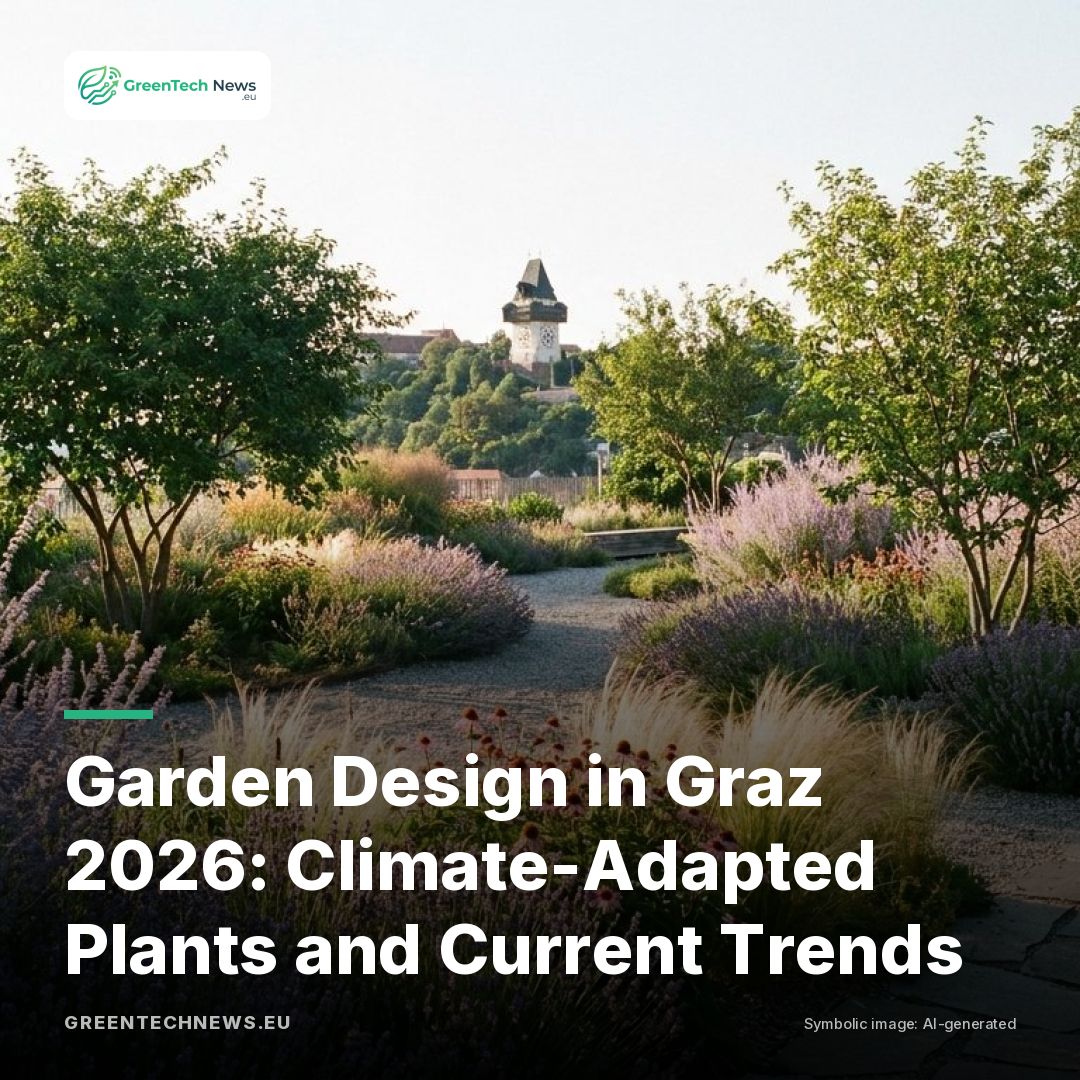
Garden design in Graz 2026 focuses on climate change by prioritising climate-adapted plants and sustainable concepts. The trend is towards more resilient, regionally appropriate planting, ecological approaches, and smart solutions to meet the city's future challenges.
In 2026, garden design in Graz is all about responding to climate change: anyone planning a garden in the Styrian capital today prefers climate-adapted plants and innovative design ideas. The trend clearly leans towards sustainability, regional species, and ecologically responsible use of garden space. Gardeners are now actively adapting to the changing climate and creating green oases that can meet the challenges of the future.
- Climate change increasingly shapes plant selection and garden design.
- Sustainable and resource-saving gardening trends are on the rise.
- Regional plant species and modern concepts are central to Graz's gardening scene.
Why climate-friendly garden design is in high demand in Graz
Graz has experienced rising summer temperatures and longer dry spells for years, directly affecting the condition and maintenance of both private and public gardens. Residents and garden owners are increasingly looking for ways to make their green spaces both resilient and attractive. Plants that require less water and remain vital even in the heat play a central role. Especially on the city's outskirts and in popular Graz gardens, a change is visible: low-maintenance yet species-rich gardens are becoming more important.
The key trends in Graz’s garden design for 2026
The gardening year 2026 is characterised by innovative styles that unite aesthetics, functionality, and sustainability. Modern Graz gardens often make use of natural materials, subtle colour accents, and structural elements such as raised beds, gravel paths, or mulched areas. The idea of urban gardening has taken root in many neighbourhoods: even small spaces can now become diverse flowering oases or practical herb beds. Another hallmark of current trends is the integration of smart technologies for irrigation, lighting, and maintenance, which make garden life more comfortable.


Climate adaptation as a key principle
Climate-adapted gardens are now far more than a fashion trend. The selection of hardy perennials, shrubs, and trees in Graz is already impressive and constantly evolving with the changing climate. Mediterranean plants such as lavender, sage and olive trees, as well as native drought-tolerant species like sea buckthorn and blackthorn, are gaining popularity. At the same time, biodiversity remains a central concern: flower-rich meadows and bee-friendly beds promote species diversity and keep gardens lively.
Sustainability and resource conservation in the foreground
Responsible use of water and soil forms the foundation of sustainable garden design. In Graz, rainwater harvesting systems are becoming increasingly popular. Mulching, innovative irrigation methods, and natural soil care help reduce both water consumption and labour. Alongside the ecological aspect, there is also a clear social dimension: community gardens and urban greening provide opportunities for exchange, engagement and participation right on people's doorsteps.
Typical challenges in garden design in Graz
Among the most common problems Graz garden owners face are increasingly dry summer periods, site-specific issues like sloping or compacted soils, and the growing risk of late spring frosts. Many hobby gardeners are learning to swap their traditional plant favourites for more climate-resilient alternatives. There is also the challenge of developing planting concepts that are low-maintenance yet appealing, work in urban spaces, and at the same time support biodiversity.
Current green developments in Graz
In 2026, Graz is increasing its commitment to promoting greening projects, sustainable water management, and the creation of climate-resilient habitats. Numerous initiatives support the transformation of public parks, schoolyards and private gardens. Expert advice from gardeners, landscape architects, and local nurseries is in greater demand than ever. Innovative pilot projects already show how aesthetics, sustainability and social benefits can be harmoniously combined in the garden. Particularly on trend: edible plants, vertical gardens on house walls, and the revival of traditional Styrian vegetable varieties.
How to succeed with climate-adapted garden design in Graz
Anyone creating a new garden or modernising existing spaces now can benefit from consciously choosing regionally typical and robust species. It is advisable to check the location and soil conditions in advance and seek expert advice if necessary. The targeted use of compost, mulch and soil-friendly maintenance methods provides the basis for long-lasting gardening enjoyment. The trend towards smart technologies also helps save resources and minimise maintenance effort.
Conclusion and outlook: Graz as a role model for climate-adapted gardening
The Graz gardening scene in 2026 impressively demonstrates how environmental awareness, aesthetics and future-oriented concepts can be combined. With climate-adapted plants, sustainable materials and innovative design ideas, both private and public garden owners are laying the groundwork for resilient and liveable green spaces. Many initiatives and projects in Graz invite everyone to become part of the transformation—whether in their own garden, a community project or on a balcony. Those who act now are actively contributing to a green and liveable city.