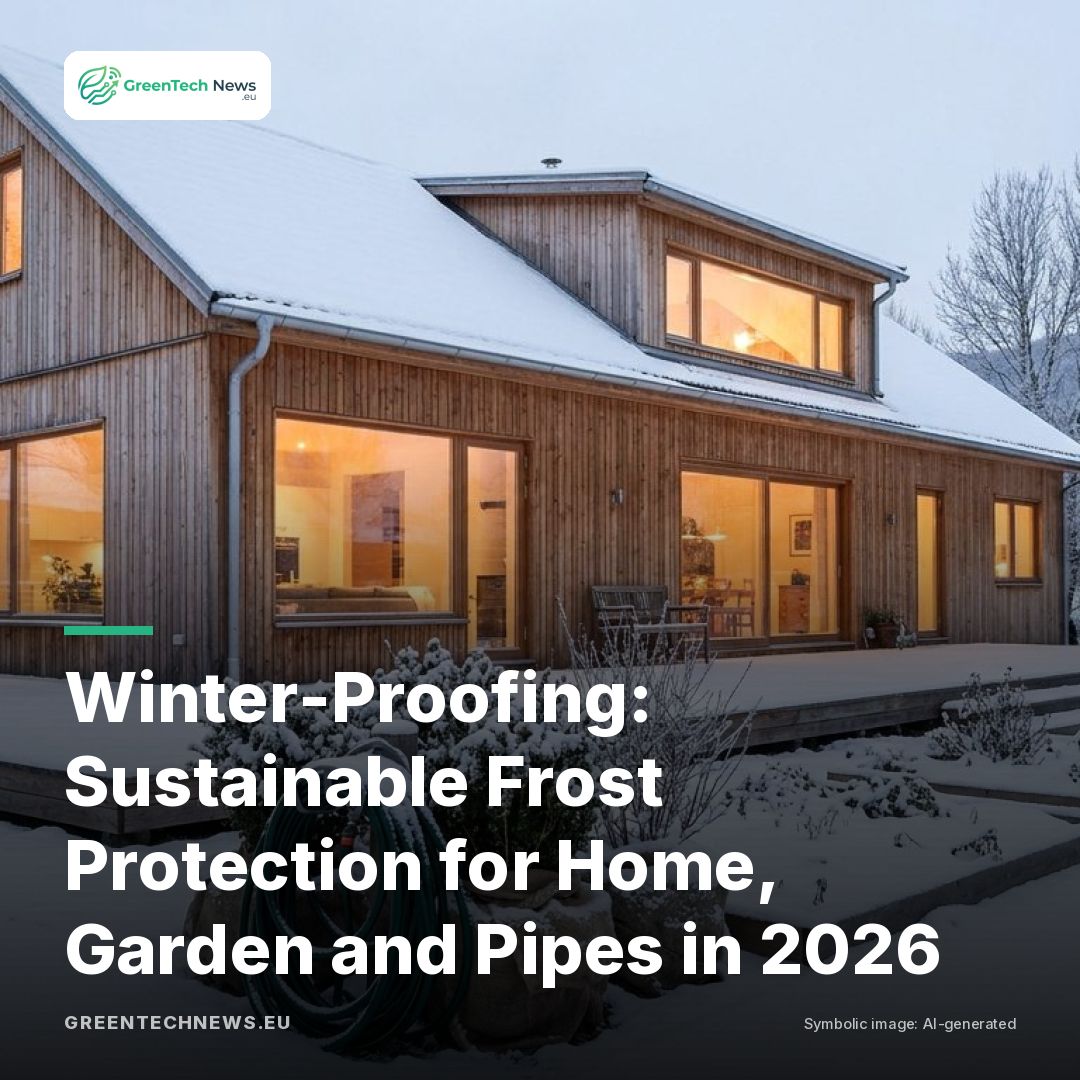
Protecting your home, garden, and pipes from frost is increasingly important amid changing climate conditions. Sustainable methods such as recyclable insulation, timely maintenance, and climate-adapted planting ensure lasting protection through winter 2026 and beyond.
Effective frost protection is a central task for many homeowners and gardeners to keep buildings, outdoor areas and pipes intact during the cold season. Winter-proofing your home not only prevents annoying and costly frost damage but also promotes sustainability and long-term value in a changing climate. In 2026, ecological and innovative methods in particular will be at the forefront, reliably protecting houses, gardens and water pipes while meeting current demands.
- Protection for water pipes and outdoor taps is essential.
- Garden elements and plants require winter-proof preparations.
- Sustainable frost protection solutions are becoming increasingly important.
Why Frost Protection is More Important Than Ever
In recent years, climatic conditions have changed, leading to longer cold spells and sudden drops in temperature occurring more frequently. Especially in regions like Central Europe, homeowners are increasingly challenged by extreme weather. Poorly secured water pipes can burst quickly in sub-zero temperatures, damage to masonry can be caused by penetrating moisture, and sensitive plants often no longer survive the winter without targeted preparation. Effective frost protection is therefore an investment in safety, sustainability, and quality of life.
Common Problems in Winter-Proofing
Key steps are often overlooked or delayed due to time constraints. Common issues include outdoor taps not being drained, missing insulation on pipes in unheated areas, and inadequately protected gardens. There is also uncertainty about suitable frost protection agents and correct usage, which often leads to frozen pipes or damaged plants. Choosing the wrong materials – such as non-sustainable insulation – can also result in long-term costs and environmental concerns. A comprehensive review of all weak spots is therefore indispensable.


Sustainable Protection of Water Pipes
Water pipes in unheated rooms, basements or outdoors are among the riskiest factors for frost damage. A single cold snap can be enough to freeze water in pipes and cause them to burst. Effective protection starts with proper insulation of all accessible pipes. Modern, recyclable, and durable insulation materials offer a sustainable solution. It is also advisable to close all outdoor taps in good time and to completely drain the pipes. In areas with particularly harsh climates, electronic frost monitors can provide additional security by monitoring the temperature at critical points and heating automatically when a certain threshold is reached.
Detecting and Preventing Frost Damage
Being alert in good time can prevent expensive repairs. Signs of potential or already existing frost damage include unusual noises in pipes, sudden water loss, or discoloured walls caused by escaping moisture. In an emergency, a professional should be contacted immediately, and the main water supply turned off.
Winter-Proofing the Garden: How to Succeed in 2026
The garden is an investment, whose value and beauty largely depend on proper winter preparation. Increasingly, owners are turning to climate-adapted planting and sustainable materials in their design. To optimally protect the garden, begin as early as late summer by selecting resilient plant varieties and apply mulch in autumn to protect roots from frost. Water systems such as ponds, irrigation systems or fountains must be drained or treated with environmentally friendly agents. It is equally important to secure garden furniture and sensitive equipment to prevent material fatigue and wear during the frost period.
Further information and current trends in climate-conscious garden care can be found in the article Garden Design in Graz: Climate-Adapted Plants and Current Trends 2026.
Protecting Plants from the Cold
Many ornamental and useful plants are sensitive to frost. Container plants should be overwintered indoors or in a sheltered area. Suitable covers or special fleeces are ideal for beds. When choosing new plants, opt for varieties that are not only decorative but also frost-hardy and adapted to changing weather conditions. This will keep your garden vital and lively in spring.
Securing Your Home Against Frost
For the building, take preventive action by checking the insulation of exterior walls, windows and doors. Even the smallest leaks can allow cold to enter and moisture to accumulate, which over time leads to mould and structural damage. Modern insulation methods offer more effective cold protection and are often also energy-efficient and environmentally friendly. Information about current methods and challenges in home insulation is provided in the article House Insulation: Everything About Methods, Advantages and Challenges. Especially important is checking window seals, ventilation systems, and your own heating habits to strike a balance between essential indoor warmth and minimising energy loss.
The Danger of Undetected Weak Spots
Many damages are caused by inconspicuous weak spots, such as in basements, unheated storage rooms or attics. Regular inspections before winter are especially recommended here to detect cold zones early and improve them specifically.
Current Developments in Frost Protection
With the increasing focus on sustainability, resource-saving and environmentally friendly frost protection solutions are now taking centre stage. Recyclable insulation materials, smart sensors for temperature monitoring, and eco-friendly frost protection agents are setting new standards. Additionally, climate-resilient planting and energy-saving measures, such as smart heating systems for water pipes, are gaining importance. In many regions, public funding programmes for renovation measures are also offered to support the energy-efficient and sustainable protection of both old and new buildings.
Psychological Aspect: Security and Comfort at Home
A winter-proofed home contributes significantly to well-being and everyday peace of mind. Knowing your home is protected and preparations are in place allows you to enjoy the colder months more calmly. Focusing on preventative measures reduces stressors and ensures a safe, warm home. Further ideas on how your living environment affects your well-being can be found in the article Urban Stress: How to Make Your Home a Safe Haven Again.
Outlook: Winter Will Surely Return
If you plan ahead, you will be protected from unpleasant frost damages and maintain the value of your property and garden in the long term. The combination of innovative, sustainable materials and proven methods forms the foundation of a modern frost protection strategy. Even small investments and targeted preparations make a big difference and allow you to navigate the winter months with confidence. It pays to keep an eye on new developments and regional specifics to protect your home, garden and pipes in the best possible way.