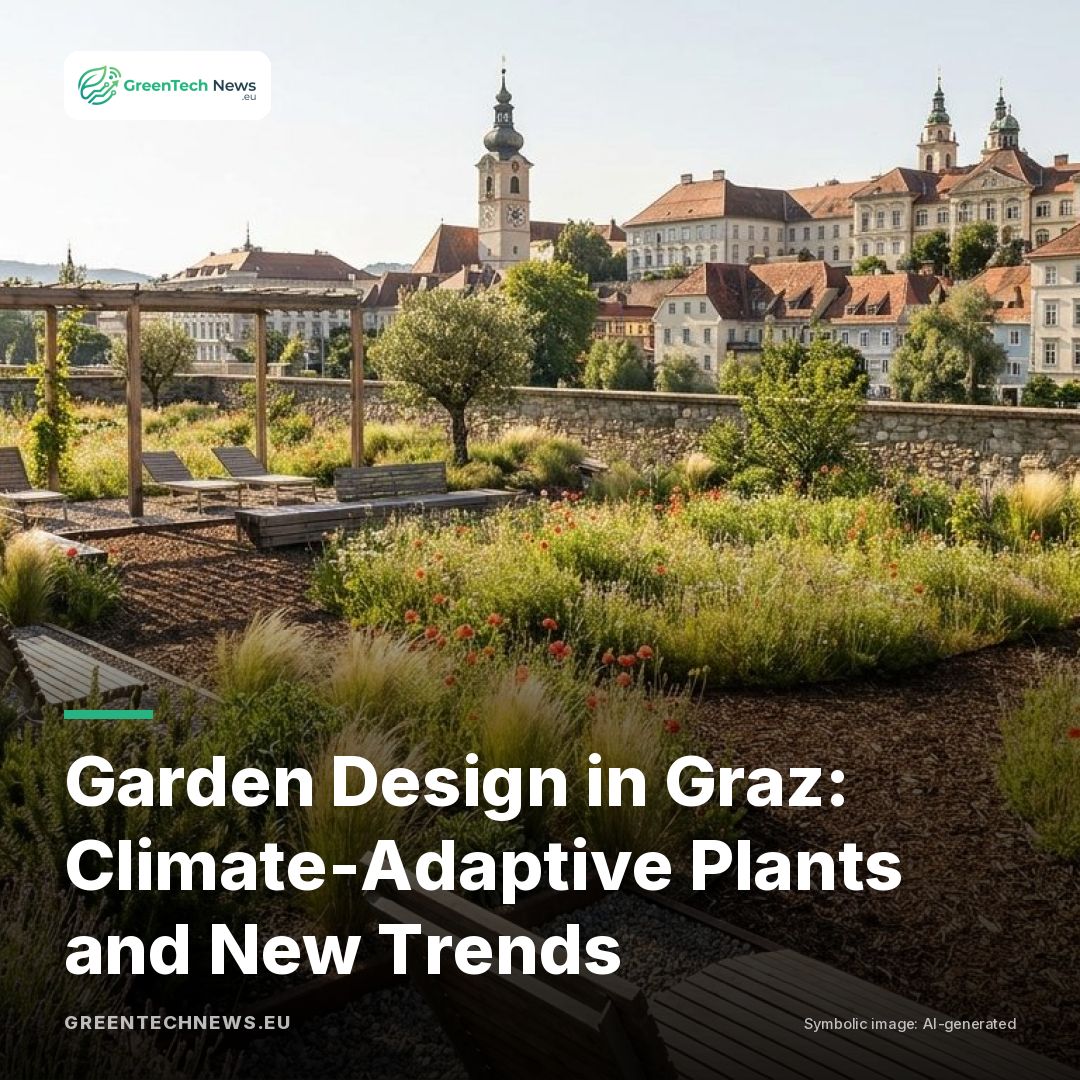
Climate-adaptive garden design is becoming increasingly important in Graz due to changing weather patterns and urban challenges. Focusing on resilient plants and sustainable concepts, the latest trends emphasise natural gardens, urban gardening and innovative water management for a future-proof outdoor space.
Climate-resilient garden design in Graz means deliberately adapting plant selection and garden layouts to the region's changing climatic conditions and urban challenges. Especially in 2026, climate-resilient plants and sustainable design concepts are at the centre of interest for garden owners, urban planners and landscape designers. If you want to know how to future-proof your garden in Graz and which new trends are emerging, this article provides the most important answers—scientifically sound and practically relevant.
- Climate adaptation is the central theme of garden planning in Graz for 2026.
- Location-appropriate, hardy plant species make gardens easier to maintain and more sustainable.
- Trending topics such as urban gardening, water management and biodiversity are shaping current developments.
Why climate-adaptive gardens in Graz are becoming increasingly important
Styria, and especially the city of Graz, has been experiencing a significant increase in extreme weather events for several years: longer dry spells, heatwaves in summer, but also sudden heavy rainfall are affecting traditional garden systems. These changes pose new challenges for both private garden owners and urban development. Classic lawns, non-native ornamental plants or exotic species now require increasingly more water and maintenance, which is no longer appropriate or sustainable in many cases.
The importance of site-appropriate plant selection
The core of climate-adaptive garden design is choosing plants that can cope well with the specific conditions in Graz—in particular rising temperatures and changing rainfall patterns. Near-natural plantings with native or Mediterranean species that tolerate drought, heat and occasional flooding are essential. Typical examples for Graz include lavender, sage, stonecrop, echinacea, various grasses such as fountain grass, and robust native shrubs like privet or hawthorn.


Current trends: Natural and urban
Garden design in Graz is as much a trending topic as in other innovative urban areas. Urban gardening projects, edible city spaces and rooftop gardens are gaining significance. At the same time, more and more individuals are focusing on biodiversity, consciously foregoing sterile gravel areas in favour of flower meadows that attract insects, butterflies and birds. The use of mulch, gravel beds and rainwater harvesting are other important design parameters to conserve resources and keep the garden attractive and lively even during heatwaves.
Design and function working together
In 2026, modern garden designs in Graz blend background knowledge with an eye for design. Clear structures, harmonious colours and the integration of robust seating or shade-giving trees ensure that gardens are both beautiful and practical. At the same time, there’s plenty of room for experimentation: even small gardens or courtyards are being enhanced with vertical gardens, raised beds or mini-ponds and adapted to new lifestyles.
Typical problems in garden design in Graz
Many garden owners still struggle with classic problems: waterlogging after summer storms, drought stress during heatwaves, and plant diseases due to unsuitable plant choices. There's often a lack of expertise in optimal soil structure and the sensible use of local resources. Another challenge lies in integrating ecological and aesthetic requirements so that maintenance remains manageable.
Recent developments 2026: Climate resilience as a mark of quality
In 2026, the focus is on innovative irrigation techniques such as drip irrigation and smart sensor systems for water savings. The use of plant mixtures suited to the urban climate is also steadily increasing. Greater emphasis is placed on environmental certification and sustainable garden materials, both by private individuals and public authorities in Graz. Educational programmes from universities, initiatives and associations help raise awareness for climate-adaptive gardening and make Graz a pioneer in green urban development.
How to adapt your own garden
Practical tips for starting with climate-adaptive garden design: think long-term, opt for biodiversity, and adapt the garden to your needs and local conditions. Those who avoid chemical fertilisers, mulch the soil and deliberately cultivate hardy species will benefit in the long term from a stable, low-maintenance, and visually appealing garden. Numerous companies, horticultural businesses and advisory centres in Graz offer expertise for implementation.
Looking ahead: Inspiration and motivation to act
In 2026, garden design in Graz is more than ever linked with environmental protection, a healthy lifestyle and innovation. Those who embrace new challenges and plan their outdoor spaces consciously, resource-efficiently and creatively create personal havens while strengthening the city’s green lungs. Trends towards near-natural, multifunctional and climate-adaptive gardens are expected to become more significant and provide space for both individual and community projects. It's well worth seeing your own garden in Graz as an experimental field for the future and making the most of all possibilities.