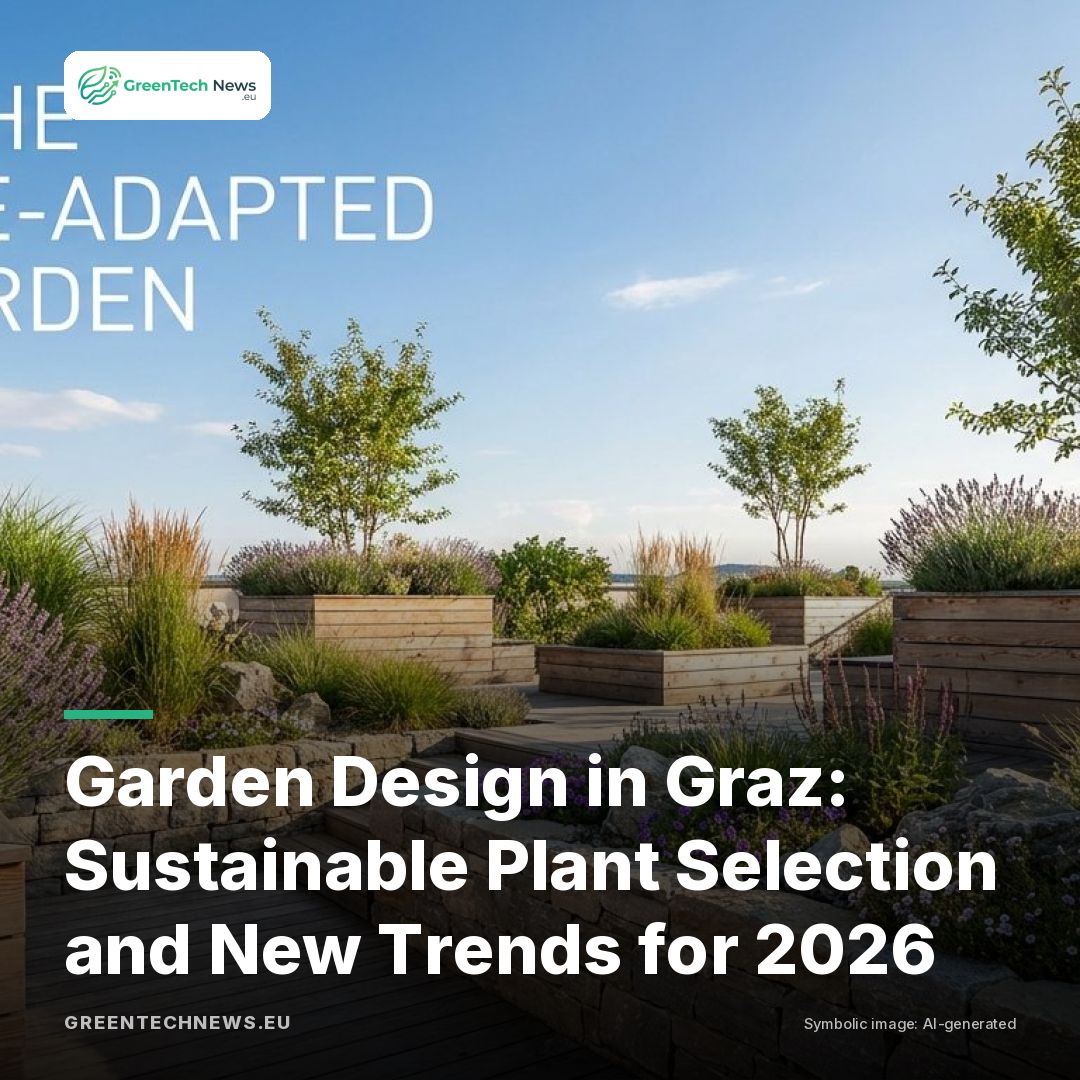
In 2026, garden design in Graz focuses on climate-adapted plants and sustainable solutions to tackle changing weather patterns. Modern trends emphasise native and drought-tolerant species, natural materials, and digital planning tools for a greener, more resilient city.
Climate-conscious garden design in Graz combines the desire for green quality of life with the challenges of a changing climate. By 2026, many garden owners and landscape planners are already opting for climate-resilient planting and low-maintenance, sustainable solutions. Graz, with its Pannonian-influenced climate, is exemplary for new developments in urban horticulture.
- Climate-fit plant selection is becoming increasingly important in Graz.
- Modern garden design merges sustainability with aesthetics.
- Material trends and digital planning tools are shaping the scene in 2026.
Why climate-adapted plants are now in focus
The increase in heatwaves and extended dry periods is forcing garden owners in Graz to rethink their planting choices. Plants that need little water and can withstand longer hot spells are increasingly in demand. Mediterranean and native species with high resilience are therefore noticeably more popular. With its mix of urban and rural surroundings, Graz offers ideal conditions for testing and establishing innovative planting concepts.
The essentials of plant selection – regional needs and site analysis
Every garden plan starts with analysing soil and climate conditions. Especially in Graz, where microclimates range from the outskirts to the urban centre, it's worth taking a close look at plant suitability. Particularly popular are heat-loving perennials, drought-tolerant grasses, and ornamental shrubs that can survive extended dry periods unscathed. Tried-and-tested examples currently include lavender, sage, stipa and festuca grasses.


The role of shade and microclimate
Alongside choice of plants, the microclimate within one's own garden plays an increasingly important role. By strategically placing trees and shrubs, garden enthusiasts in Graz are creating shady areas that enhance comfort and boost biodiversity. At the same time, mulching and ground covers help regulate water balance and reduce evaporation.
Current trends in Graz garden design 2026
In 2026, gardening is becoming even more professional. In addition to classic garden structures, multifunctional planting solutions are gaining in importance. Raised beds for growing vegetables combine visual enhancement with sustainable use. A rapidly growing trend is natural wildflower meadows and wild perennial borders, which require comparatively little maintenance and provide new habitats for insects.
Materials, colours, and design ideas
Material choice moves further into focus in 2026: more and more raised beds and garden paths are being built from native wood, stone, or recycled building materials. Colours remain natural, with muted greens and earth tones dominating. Water in the garden—whether a small pond, a bubbling stone, or a planted retention area—both cools the space and provides valuable wildlife habitat, making it a popular design element.
Digital tools are revolutionising garden planning
Digital garden planners and apps are helping people in Graz to develop the right planting concepts at the click of a mouse. Tools that consider individual location, sunlight, soil, and water needs are especially popular. Analysing climate data and local recommendations, gardens can be digitally designed and then efficiently realised.
Sustainability and biodiversity as guiding themes
In 2026, biodiversity and environmental protection are priorities in garden planning. Butterfly- and bee-friendly blooms, native shrubs, and a conscious avoidance of chemical fertilisers and pesticides are all integral to modern gardens in Graz. Using rainwater for garden irrigation has also become common in many households.
Typical challenges in garden design in Graz
As everywhere, change brings challenges. Many garden lovers underestimate the site requirements of climate-adapted plants or struggle with soil compaction and waterlogging after rare but severe summer storms. Especially in new inner-city developments, suitable soil is often lacking, prompting the use of raised beds or complete replacement substrates.
Current developments and outlook
Increased climate awareness and the debate about sustainable urban development mean that more and more Graz residents view their private and communal green spaces as active climate adaptation measures. The City of Graz promotes greening projects through advisory services, investment grants, and information campaigns. At the same time, new plant breeds are being developed that are even better suited to regional climate trends and remain easy to care for.
Conclusion and outlook: The future of garden design in Graz
In 2026, garden design in Graz is all about adaptability, creativity, and sustainability. Those who choose climate-adapted plants today and follow contemporary design trends are not only creating a more liveable garden, but also making an active contribution to a more resilient, greener city for the future. Which new plants and digital tools will shape the scene in the coming years remains an exciting question for everyone in Graz passionate about evolving garden design.